Livestock farming was the valley’s main source of wealth for generations, and it evolved as different animals took centre stage. Horses, donkeys and mules (estorsina in Benasque patués), pigs (llitons), and—above all—cattle and sheep (les güelles) provided a livelihood for local families right up until tourism began to reshape the economy.
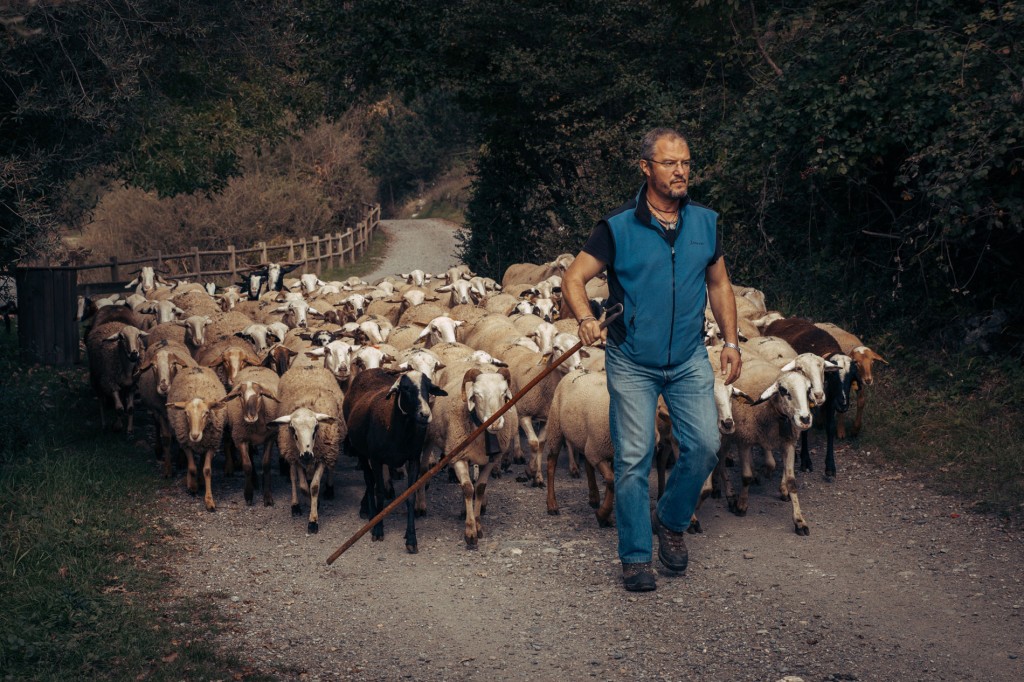
The livestock fair in Benàs (Benasque)
Livestock was traded at fairs across the region, but the scale and quality of Benasque herds led to fairs being held in the valley itself—most notably in Benasque. Written records cited by Tomás Faci mention the fair in 1303, suggesting it is even older.
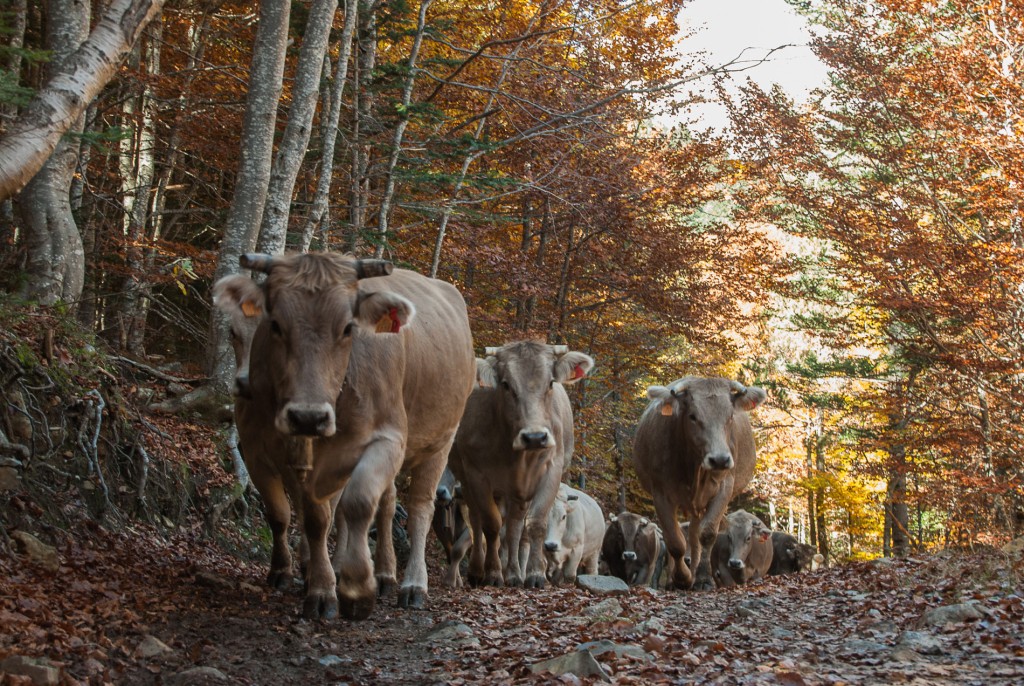
Traditionally held from 22 to 25 August, the fair was subject to the payment of the lezda, a duty on goods. Initially it was paid to the castlan (the keeper of the town’s castle), but over time the right to collect taxes on fair days passed to the House of Conques.
In October 1537, in Monzón (Kingdom of Aragon), Emperor Charles V granted Benasque the privilege of holding a fair from 15 to 24 August—known as “The Seven Days of Saint Bartholomew”—with a royal safe-conduct for those attending and trading.
“Granting that all and any persons who attend said fair with large or small livestock, and with any other goods whatsoever, shall be safe and secure both on their way to and from the fair, and also while staying there and selling at it. And this under the special protection, safe-conduct and royal safeguard, in such a way that neither the said persons, goods nor merchandise may, during the time of said fair, be seized, detained or in any manner troubled on account of crimes or debts belonging to others; unless the said persons were themselves specifically bound in their own name, or as sureties. Excepted from this privilege are heretics, traitors, counterfeiters of coin, violators, highwaymen, sodomites, thieves, and those who commit the crime of lèse-majesté. Issued in the town of Monzón, on the day, month and year stated above.”.
That privilege became a source of ongoing disputes between the town authorities and the House of Conques, leading to repeated legal conflicts and measures such as restricting wine entry into the town during August. The privilege eventually disappeared in the 17th century.
The Saint Bartholomew fair lasted until the 18th century, when Benasque herders chose to move it to autumn. The king authorised the change, legalising two annual fairs—one in June and one in October. Today, only the 12 October fair remains: the Pilar livestock fair.
“It has pleased His Majesty to grant the village of Benasque, in the Kingdom of Aragon, royal authorisation to hold two fairs each year: the first in the month of June, eight days before and a further eight days after the feast of Saint Anthony of Padua; and the second, eight days before and the same number of days after the day of Our Lady of the Pillar. Likewise, His Majesty has been pleased to grant the said town of Benasque equal authorisation and permission to hold a market every Monday of each week..“.
Source: Antonio Merino Mora (Information for Monte de Estós)